27
Dec
Dec
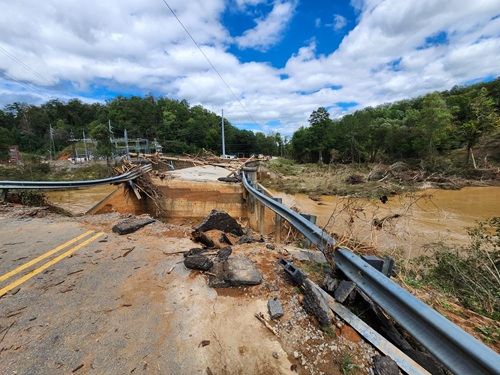
Following a major climate event (cyclone, extreme rainfall, storm surge), multiple segments of critical transport infrastructure were affected across a limited geographic area.

Following a major climate event (cyclone, extreme rainfall, storm surge), multiple segments of critical transport infrastructure were affected across a limited geographic area.
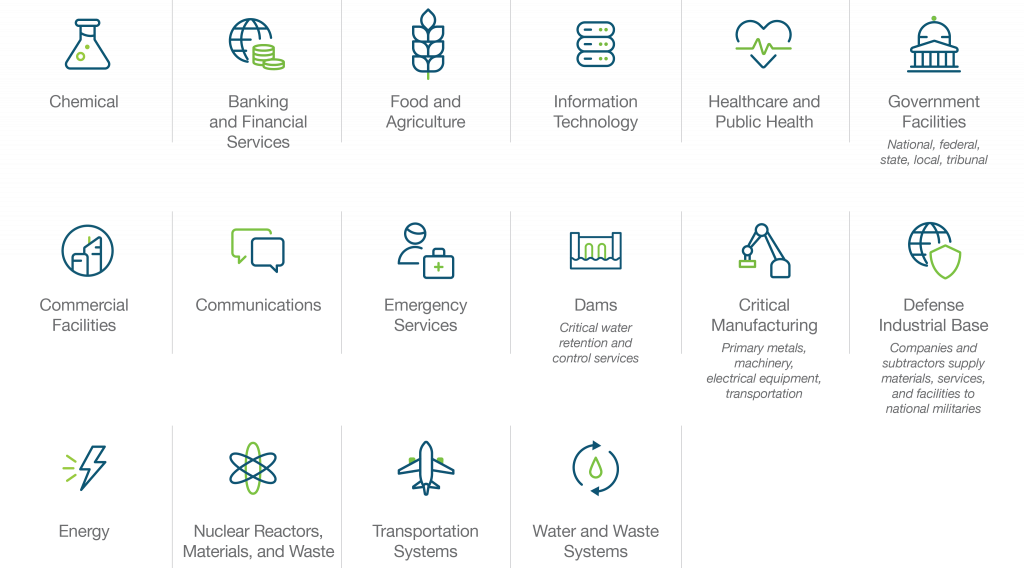
An infrastructure operator manages critical access assets exposed to seasonal and recurring climate stress — flooding, erosion, and service interruptions that evolve throughout the year.
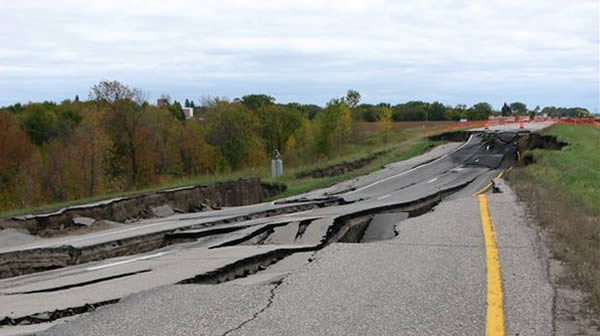
A strategic transport corridor connects economic centers, logistics hubs, and emergency services across a climate-exposed region.
Over time, small incidents — minor landslides, localized flooding, temporary closures — began occurring with increasing frequency.
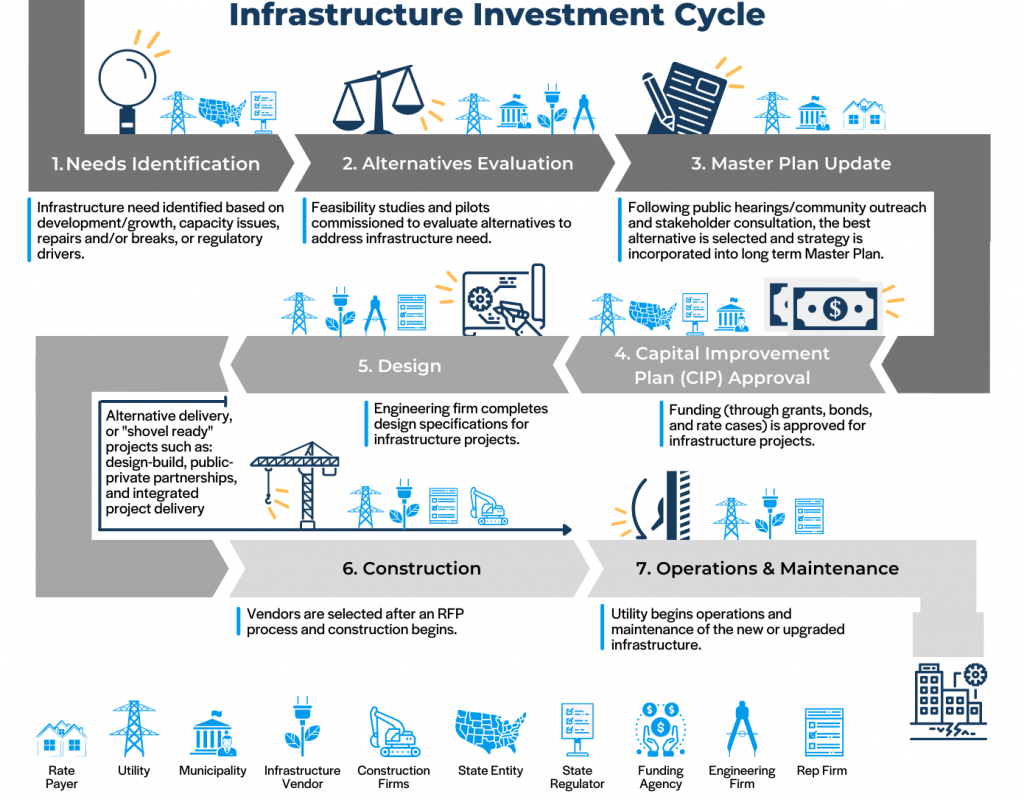
A public infrastructure owner manages a portfolio of climate-exposed assets including roads, access routes, and operational hubs.
Across the portfolio, climate pressure is increasing — flooding, erosion, and service disruption are no longer isolated events.
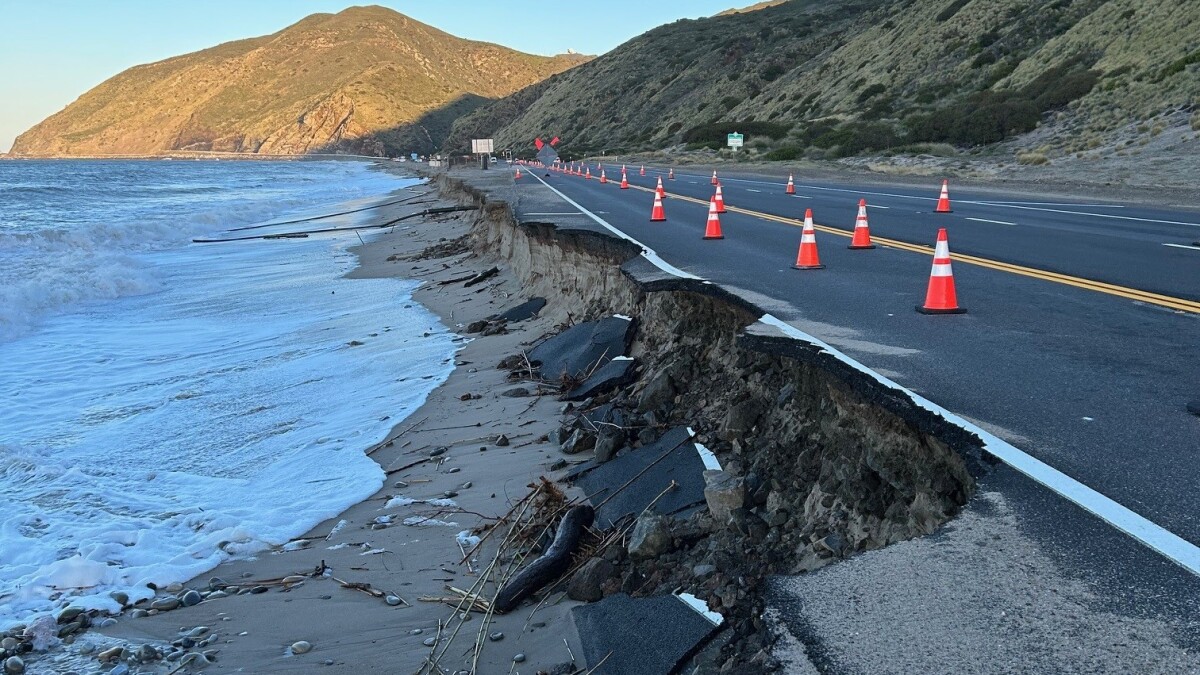
A coastal road corridor serves as the primary lifeline between population centers, ports, health facilities, and emergency services on an island territory.
The corridor runs close to the shoreline and across low-lying sections exposed to erosion, flooding, and slope instability.
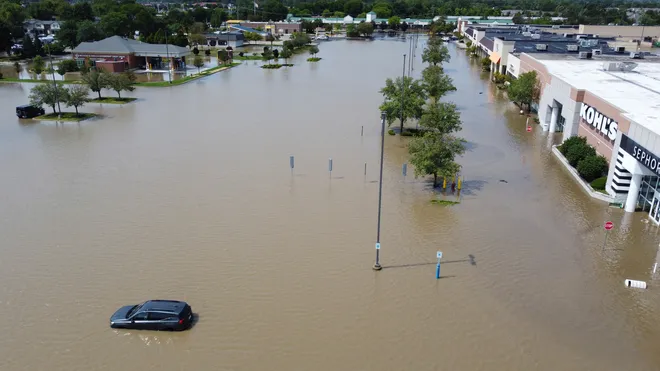
A coastal international airport relies on a single primary access corridor connecting terminals to the city, emergency services, and cargo logistics.
Seasonal rainfall and extreme weather events increasingly cause localized flooding, leading to access disruptions during peak operational periods.