
Strategic Use Cases
Rapid Decision Support After Climate Shock to Restore Critical Access
Dec
Context
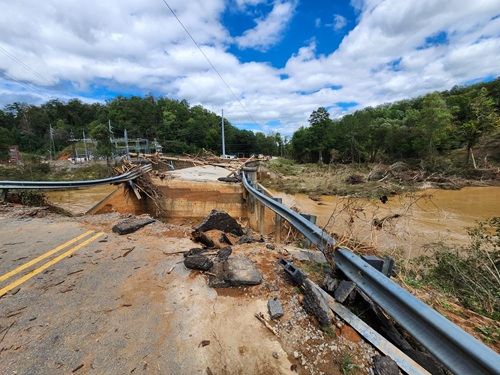
Following a major climate event (cyclone, extreme rainfall, storm surge), multiple segments of critical transport infrastructure were affected across a limited geographic area.
Access routes were partially obstructed, drainage systems compromised, and temporary closures imposed to manage safety risks.
Pressure mounted quickly to restore access, while information remained fragmented.
The Challenge
Decision-makers faced an acute post-event dilemma:
-
Field reports were incomplete, inconsistent, and evolving by the hour.
-
Political, economic, and humanitarian pressure demanded rapid reopening, but without clarity on residual risk.
-
Engineering teams needed direction on where limited response capacity should be deployed first.
The central question became:
Which access routes must be restored immediately — and which can wait without escalating risk?
GeoSentinel Approach
GeoSentinel was mobilized for a rapid Decision Brief / Continuity Sprint, adapted for post-shock conditions.
The engagement:
-
Consolidated fragmented post-event information into a single decision picture
-
Identified access routes where reopening would deliver maximum continuity impact
-
Flagged locations where premature reopening could amplify risk or trigger secondary failure
-
Structured findings into a finance- and insurance-ready brief, usable for coordination and claims discussions
The focus remained on decision clarity, not damage cataloging.
Decisions Enabled
The Decision Brief allowed leadership to:
-
Sequence reopening of access routes based on continuity and safety
-
Direct emergency works and temporary measures efficiently
-
Communicate defensible decisions to political leaders, insurers, and partners
-
Frame recovery actions within a credible risk narrative
This replaced reactive reopening with controlled, prioritized restoration.
Outcome
-
Critical access was restored faster where it mattered most
-
Emergency response capacity was used more efficiently
-
Secondary failures were avoided during recovery
-
Leadership maintained confidence and credibility during a high-pressure period
Recovery shifted from improvisation to structured, decision-led action.
Why This Matters
After climate shock, speed without prioritization increases risk.
Restoring access is not just an engineering task — it is a decision problem under extreme pressure.
This use case demonstrates how decision-first resilience, applied immediately after an event, supports faster recovery while protecting long-term continuity.
