FOR CLIMATE-EXPOSED INFRASTRUCTURE

Decisions When Infrastructure Can’t Fail

GeoSentinel delivers rapid, decision-ready intelligence for coastal roads, access corridors, and operational hubs exposed to climate disruption.
We turn risk signals into 30–90 day actions — not reports that sit on shelves.
Decision Brief / Continuity Sprint

A short, decision-first engagement designed to help leaders act before climate disruption escalates.

In 14–45 days, GeoSentinel delivers a board-ready Decision Brief that shows:

  • where continuity is most at risk,

  • what must be stabilized first,

  • and which 30–90 day actions matter now — not next year.

This is not a study.

It is a decision delivery sprint.

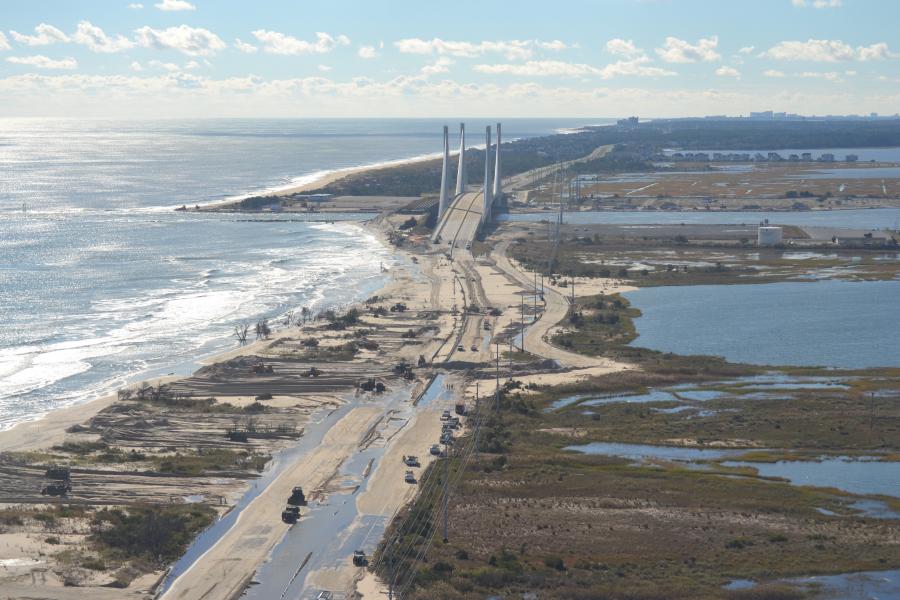
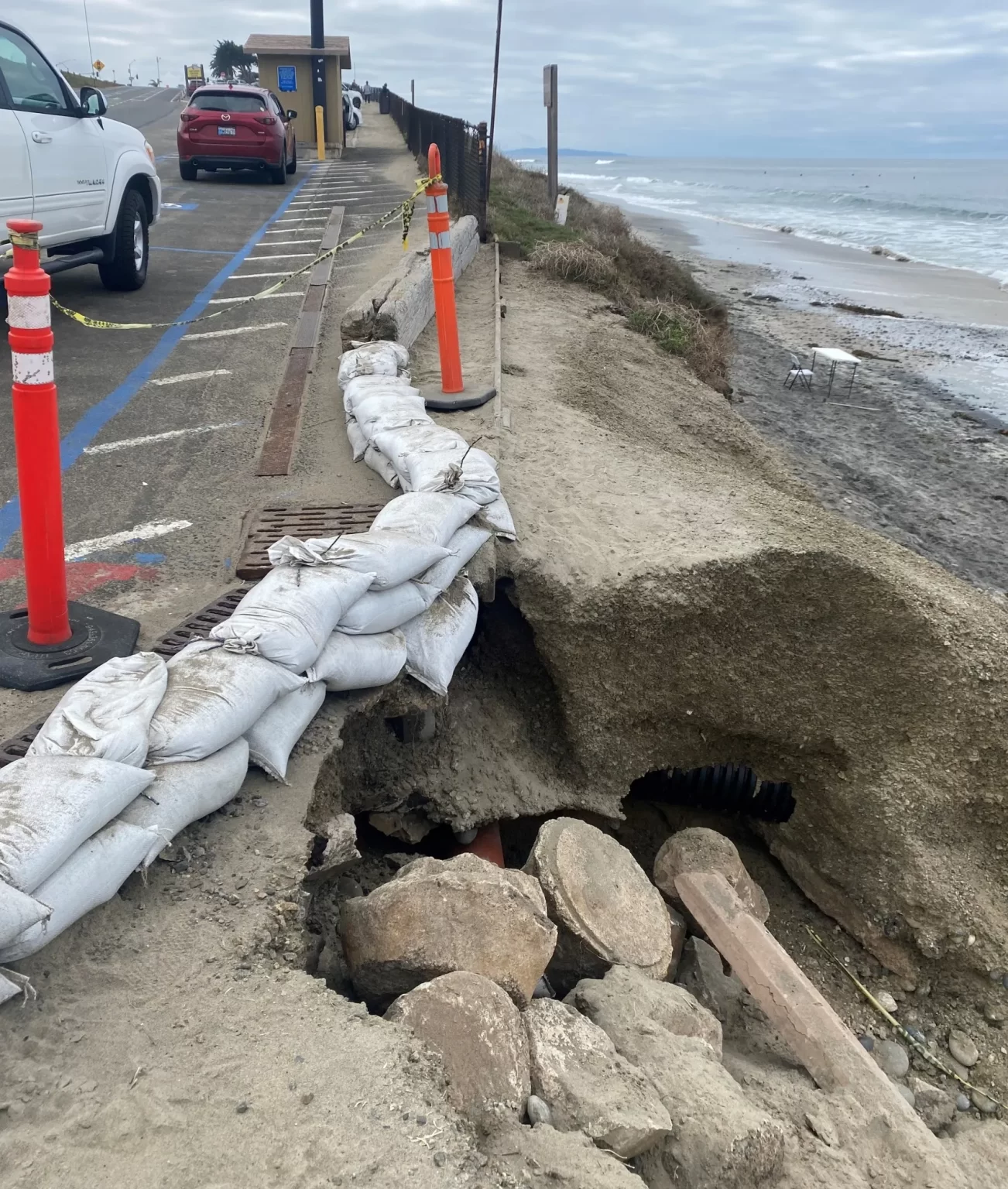
On islands and coastal regions, a single road failure can cut access to airports, ports, hospitals, and entire communities.

We identify the coastal segments most likely to fail, map where disruption would cascade, and deliver a clear priority list with 30–90 day actions to keep critical access open.

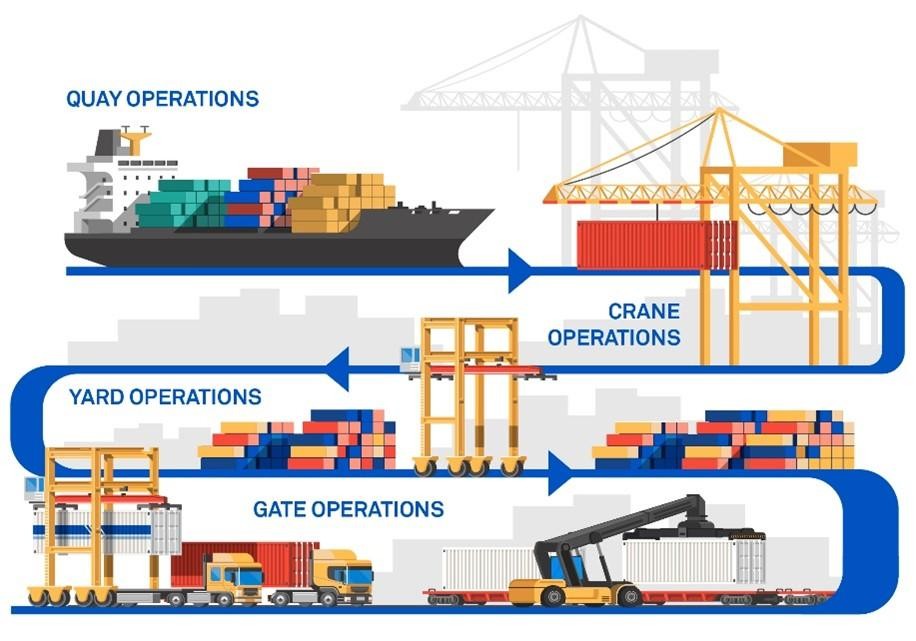
Airports and ports rarely fail in isolation. Downtime often starts with access roads, flooding points, or overlooked operational weak links.

We assess hub exposure and access vulnerability, then translate findings into practical continuity actions and a board-ready brief to reduce downtime and protect trade and mobility.

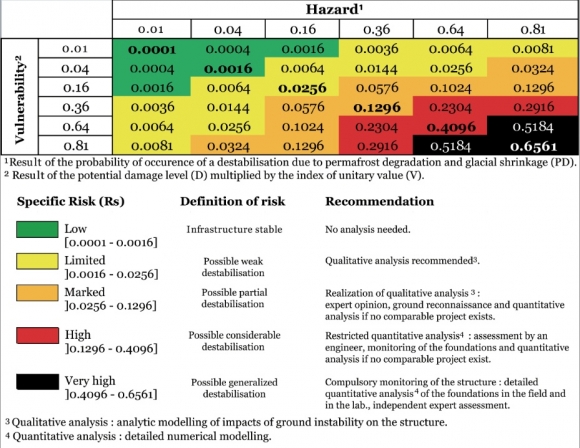
Climate stress doesn’t hit assets evenly. Small failures in access can trigger disproportionate operational and economic disruption.

We connect climate exposure with real-world access dependencies, helping decision-makers understand what breaks first, what breaks next, and what to fix now to preserve continuity.

Request a Decision Brief

Clarity under pressure 

The Decision Brief helps leaders decide:

  • what to stabilize first to protect continuity

  • where limited resources reduce disruption fastest

  • which access routes, hubs, or assets cannot fail

  • how to move from risk signals to immediate action

Designed for executives, operators, insurers, and funding partners operating in climate-exposed and resource-constrained environments.

Discuss a Decision Brief

Continuity Partner Engagement

An ongoing engagement for organizations managing recurring or seasonal climate exposure, where continuity must be actively protected over time.

The Continuity Partner Engagement extends the Decision Brief into:

  • continuous monitoring of priority assets and access points

  • early warning signals tied to real operations

  • updated priorities and actions as conditions evolve

  • a practical continuity playbook teams can execute under pressure

Typically initiated after a Decision Brief.
Best suited for teams operating in climate-exposed, resource-constrained environments.

Extend a Decision Brief
Where Continuity Is Proven

Operational Reach

GeoSentinel supports decision-makers across climate-exposed and infrastructure-critical regions — where access, mobility, and continuity cannot fail.

Our work spans coastal corridors, island hubs, and strategic gateways, delivering decision briefs and priority maps designed for real-world constraints, not ideal conditions.

DELIVERY MODEL

How Decisions Get Delivered

Each GeoSentinel engagement is designed around decision delivery, not tools.
We prioritize clarity, speed, and operational relevance — ensuring leaders receive the right insight, in the right format, at the right moment.

FORMAT

  • Decision Brief (core deliverable)
    Executive-ready PDF (maps, priorities, actions, 30–90 day horizon)

  • Supporting Maps & Visuals
    Used to frame exposure, access constraints, and trade-offs

  • Optional Live Views
    Only when required — never the core product

DELIVERY

  • Secure email or private link
  • Analyst debrief (executive or technical)
  • Optional follow-up session for prioritization or funding alignment

CONTEXTS COVERED

  • Climate-exposed island systems
  • Coastal and corridor-dependent infrastructure
  • Airport, port, and access road environments
  • Resource-constrained operating conditions