
Strategic Use Cases
From Early Signals to Action in a High-Risk Transport Corridor
Dec
Context
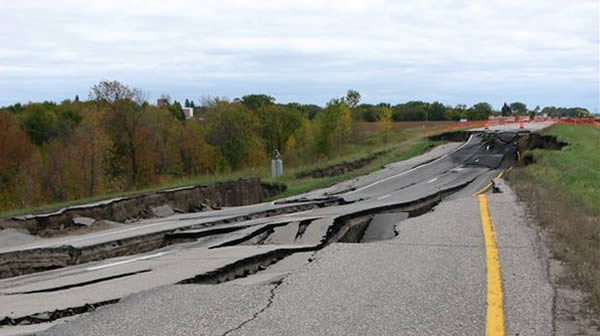
A strategic transport corridor connects economic centers, logistics hubs, and emergency services across a climate-exposed region.
Over time, small incidents — minor landslides, localized flooding, temporary closures — began occurring with increasing frequency.
Individually, none of these events justified major intervention.
Collectively, they signaled systemic vulnerability.
The Challenge
Decision-makers were caught in a familiar trap:
-
Early warning signs existed, but were fragmented across departments and reports.
-
Each incident was treated as an isolated maintenance issue rather than part of a broader continuity risk.
-
No single event crossed the threshold required to trigger decisive action — until disruption risk became acute.
The core question was not whether the corridor was at risk, but when the next failure would force reactive closure.
GeoSentinel Approach
GeoSentinel was engaged for a Decision Brief / Continuity Sprint focused on consolidating early signals into decision-grade intelligence.
The engagement:
-
Aggregated recurring minor incidents into a single continuity risk picture
-
Identified corridor segments where repeated “small” failures pointed to imminent loss of access
-
Assessed how disruptions would cascade across mobility, emergency response, and economic activity
Rather than waiting for a major event, GeoSentinel reframed early signals into actionable thresholds.
Decisions Enabled
The Decision Brief allowed leadership to:
-
Recognize which early signals required immediate preventive action
-
Distinguish tolerable operational noise from precursors to failure
-
Authorize targeted interventions before disruption escalated
-
Align teams around preventive action, not post-event response
This shifted the organization from reactive posture to anticipatory decision-making.
Outcome
-
Targeted stabilization and drainage actions were initiated ahead of failure
-
Monitoring priorities were clarified along the most sensitive corridor segments
-
Emergency response planning was adjusted proactively
-
Leadership avoided escalation into full corridor closure
By acting on early signals, the corridor remained operational — without waiting for a crisis to force intervention.
Why This Matters
In climate-stressed environments, disruption rarely arrives without warning.
The challenge is not detecting signals — it is knowing which ones matter enough to act on.
This use case demonstrates how decision-first resilience converts early signals into timely action, protecting continuity before failure becomes unavoidable.
